Simple Exercises that Can Promote Better Circulation for Residents in Memory Care Communities
When someone you love is living with dementia, you naturally think about their safety, their comfort, and their happiness. Physical health sometimes slips down the list, yet gentle movement may be one of the simplest, most natural ways to help your loved one feel their best. Even small, easy motions encourage blood to keep flowing, muscles to stay engaged, and moods to brighten.
The good news is that circulation-friendly exercise doesn’t have to be complicated, intense, or intimidating. In a thoughtful memory care community, movement is woven into the day in ways that feel familiar and enjoyable rather than like a workout. Below, you’ll find simple exercises that tend to work well, tips for making them comfortable and fun, and ideas for joining in when you visit.
As with any new activity, check with your loved one’s doctor before starting a routine, especially if they have heart, blood pressure, joint, or mobility concerns.
Why Gentle Movement Matters for Circulation
Circulation is how your blood carries oxygen and nutrients throughout your body. When someone sits for long stretches, circulation can slow, especially in the legs and feet. That’s one reason healthcare providers often encourage regular, light movement for older adults.
For people living with memory loss, regular activity can offer additional benefits:
- Comfort. Gentle motion can ease stiffness and help the body feel more relaxed.
- Better rest. A little daytime activity often supports more restful nights.
- Improved mood. Movement and music together can lift spirits and reduce restlessness.
- Connection. Shared activities create moments of engagement and joy.
- Routine. Familiar rhythms give the day structure, which many people with dementia find reassuring.
The goal isn’t fitness in the traditional sense. It’s keeping the body moving in ways that feel safe, pleasant, and natural.
Seated Exercises: A Safe Starting Point
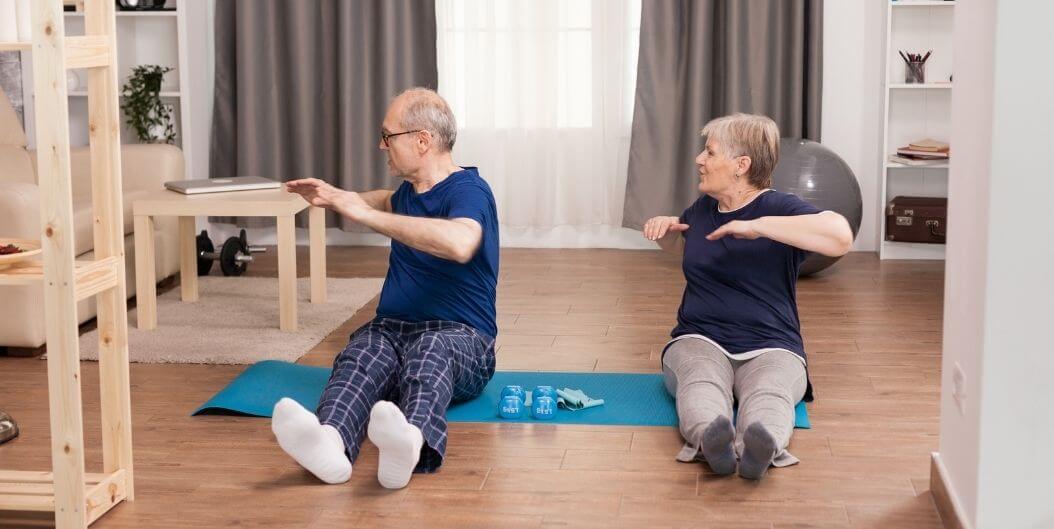
Sitting in a sturdy chair with a firm back is the most accessible way to begin. It reduces fall risk and lets almost everyone take part, no matter their strength or balance. If you’re curious about how seated routines can be adjusted for different abilities, this guide to chair yoga adaptations for limited mobility shows how flexible they can be.
Ankle Circles
Ankles and feet are some of the places where circulation can feel sluggish. Have your loved one sit comfortably, lift one foot slightly off the floor, and slowly rotate the ankle in one direction, then the other. Repeat with the other foot. You can model the motion yourself and say something simple like, “Let’s draw little circles with our toes.”
Heel and Toe Taps
With both feet flat on the floor, lift the toes and tap them down, then lift the heels and tap them down. Alternating between the two creates a gentle rocking motion that engages the calves, which play an important role in moving blood back toward the heart. Music makes this one especially fun.
Seated Marching
Lifting the knees one at a time, as if marching in a parade, is an easy way to get the legs moving. Keep the pace relaxed, and invite your loved one to swing their arms if it feels comfortable. A familiar marching tune can turn it into a cheerful moment.
Arm Raises and Stretches
Reaching both arms overhead, then lowering them slowly, supports shoulder movement and breathing. You can make it playful, such as pretending to pick apples from a tree or reach for a shelf. Slow, easy repetitions are plenty.
Shoulder Rolls
Rolling the shoulders up, back, and down eases tension in the neck and upper back. Many people carry stiffness there without realizing it, and this simple motion can feel soothing.
Hand and Finger Exercises
Small movements count, too. Hands and fingers are often forgotten, but keeping them active supports comfort and dexterity.
- Open and close. Gently make a fist, then spread the fingers wide.
- Finger taps. Tap each fingertip to the thumb, one at a time.
- Wrist circles. Rotate the wrists slowly in both directions.
- Squeezing a soft ball. A cushioned ball or rolled washcloth is easy to grip and release.
These work beautifully alongside other activities. Folding towels, kneading play dough, or arranging flowers all offer natural hand movement with a sense of purpose. Creative pursuits can serve the same role, and many families are surprised to learn how art therapy helps older adults express their emotions while keeping the hands engaged.
Standing and Walking Exercises With Support
If your loved one is steady on their feet and their healthcare team agrees, standing exercises can offer a bit more variety. Always provide something sturdy to hold, such as the back of a chair or a railing, and have a team member or family member nearby.
Gentle Standing Calf Raises
While holding on for support, rise slowly onto the toes, then lower back down. This works the calf muscles, which help circulate blood in the lower legs. A few repetitions are plenty.
Weight Shifts
Standing with feet hip-width apart, shift weight slowly from one foot to the other, like a gentle sway. It’s simple, soothing, and good practice for balance.
Short Walks
Never underestimate a stroll. A walk down a hallway, around a courtyard, or through a garden provides movement, fresh air, and stimulation all at once. Walking at a relaxed pace, with a companion for conversation, is one of the most natural ways to keep circulation going.
If your loved one tires easily, aim for several short walks throughout the day instead of one long one. Rest when needed, and let them set the pace.
Movement With Music
Music has a special place in dementia. Familiar songs can spark memories, lift moods, and encourage movement in ways that words alone often can’t. Pairing exercise with music is one of the most effective ways to make it enjoyable.
Try these ideas:
- Play favorite songs from their younger years. Songs from their teens and twenties often evoke the strongest responses.
- Clap or tap along. Simple rhythm movements get arms and hands going.
- Sway together. Gentle swaying while seated or standing is both easy and joyful.
- Dance in a chair. Moving arms and shoulders to a beloved tune is a wonderful way to stay active.
- Sing together. Singing encourages deep breathing and brings smiles.
Don’t worry about perfect form. Enjoyment is the point.
Everyday Activities That Count as Exercise
Some of the best movements don’t look like exercise at all. Daily tasks and hobbies provide natural opportunities to stay active, often with a sense of purpose that makes people want to participate.
- Watering plants or tending a garden bed
- Folding laundry or sorting socks
- Setting a table
- Wiping a tabletop in slow circles
- Tossing a soft ball back and forth
- Sweeping with a light broom
- Painting or crafting at a table
Communities that offer spaces like a plant nursery, courtyard, and art studio make these activities easy to enjoy. A calendar packed with options also helps. Exploring the monthly calendar of activities and events can give you a sense of the variety available, from social gatherings to creative classes to games and entertainment.
Making Exercise Comfortable and Positive
How you approach movement matters just as much as which movements you choose. A few gentle principles can help.
Keep It Short and Simple
Five to ten minutes at a time is plenty. Short sessions repeated through the day work better than one long one.
Use Simple, Clear Directions
Speak slowly, give one instruction at a time, and demonstrate the movement yourself. “Watch me” followed by a smile is often more effective than a long explanation.
Let Them Lead
Respect your loved one’s pace and preferences. If they’d rather skip an exercise or stop partway through, that’s okay. Choice is important, and it’s worth remembering that people with dementia can often still make choices about the things that matter to them, including how they’d like to move.
Choose the Right Time of Day
Pay attention to when your loved one is most alert and comfortable. For many people, mornings or early afternoons work best.
Celebrate Effort
Praise participation, not perfection. A smile, a “great job,” or a gentle hug goes a long way.
Mind the Environment
Make sure the space is well-lit, free of clutter, and comfortable in temperature. Have water nearby, and wear supportive, non-slip shoes for standing or walking. During hot months, extra attention to comfort and hydration is especially important, and many communities adapt their routines accordingly, as seen in how summer activities are adapted for residents.
Safety First: What to Keep in Mind
Gentle exercise is generally safe, but a few precautions help keep everyone comfortable.
- Check with the doctor. This is especially important for anyone with heart conditions, blood pressure concerns, joint pain, or balance issues.
- Stop if something feels wrong. If your loved one seems dizzy, short of breath, or in pain, pause and let the care team know.
- Provide support. Always have someone nearby during standing or walking activities.
- Stay hydrated. Offer water before and after movement.
- Know the medications. Some medications can affect blood pressure, balance, or energy. Reviewing how medication management is handled can help you understand what the care team monitors.
If you notice swelling in the legs or feet, persistent discomfort, or sudden changes, bring it up with the care team or doctor promptly. They’re there to help.
How You Can Join In
Your presence makes any activity more meaningful. When you visit, try a few of these ideas:
- Take a short walk together outdoors or through the community.
- Play a favorite song and sway or tap along.
- Do a few seated exercises side by side.
- Garden, fold towels, or do a simple craft together.
- Share a snack afterward and enjoy the moment.
Even if your loved one doesn’t remember the activity later, the joy in the moment is real, and so is the connection.
Frequently Asked Questions
How often should my loved one exercise?
Short, gentle sessions throughout the day work well. The right amount depends on their health, energy, and doctor’s guidance.
What if my loved one refuses to exercise?
Try a different approach. Switch to music, a favorite activity, or a simple task. Choice and enjoyment matter more than structure.
Are these exercises safe for everyone?
Many are gentle enough for most people, but every person is different. Always check with their doctor first.
What if they can’t stand or walk?
Seated exercises, hand movements, and gentle stretching are excellent alternatives, and there are many ways to adapt them.
How will I know if it’s helping?
You may notice a better mood, more restful sleep, easier movement, or simply more smiles. Even small improvements are worth celebrating.
Summary
Simple, gentle movement can support circulation, comfort, and mood for people living with memory loss. Seated exercises like ankle circles, heel taps, and marching are accessible starting points, while hand movements, short walks, music, and everyday tasks add variety and purpose. Keep sessions brief, follow your loved one’s lead, check with their doctor, and join in whenever you can. The most important ingredient is enjoyment, because movement that feels good is movement that sticks.
Support Healthy, Joyful Movement at Bristol Park at Eagle Mountain Assisted Living & Memory Care
At Bristol Park at Eagle Mountain Assisted Living & Memory Care, we believe every day should include moments of movement, music, and connection. Our memory care program offers individualized programs, a safe living environment, 24-hour care and supervision, and wraparound support, along with more than 300 monthly activities and spaces like a courtyard, art studio, and plant nursery that make staying active feel natural.
We’d love to show you how we help your loved one thrive. Schedule a tour today, and come see how comfortable and engaging daily life can be.