How Older Adults in Memory Care Use Art Therapy to Express Their Emotions
One of the most difficult aspects of watching someone you care about suffer from Alzheimer’s or dementia is their inability to communicate. The words that used to come naturally to them begin to fade, and not being able to express how they feel can be extremely frustrating for them and everyone involved. But, what if they didn’t need words at all? Art therapy allows people in memory care communities to express feelings that words cannot, and the results are often more powerful than anyone expected.
This article will discuss how art therapy works in memory care, why it’s so effective, and what it can do for your loved one’s mental health.
Why Is Expressing Emotions So Important in Memory Care?
Memory loss does not make feelings disappear. Your loved one can still feel happy, sad, scared, comforted, and everything in between. The problem is that dementia makes it difficult for the brain to organise and express those emotions in words. When people are unable to express their feelings, they often manifest as agitation, withdrawal, or behavioural changes that are difficult for families to understand.
Allowing your loved one to express their emotions, even if they don’t say anything, can make them feel better and reduce their stress levels for the rest of the day. Art therapy is an excellent way to express those emotions in a way that is natural, enjoyable, and completely stress free.
What Is Art Therapy, and How Does It Benefit People Who Have Memory Problems?
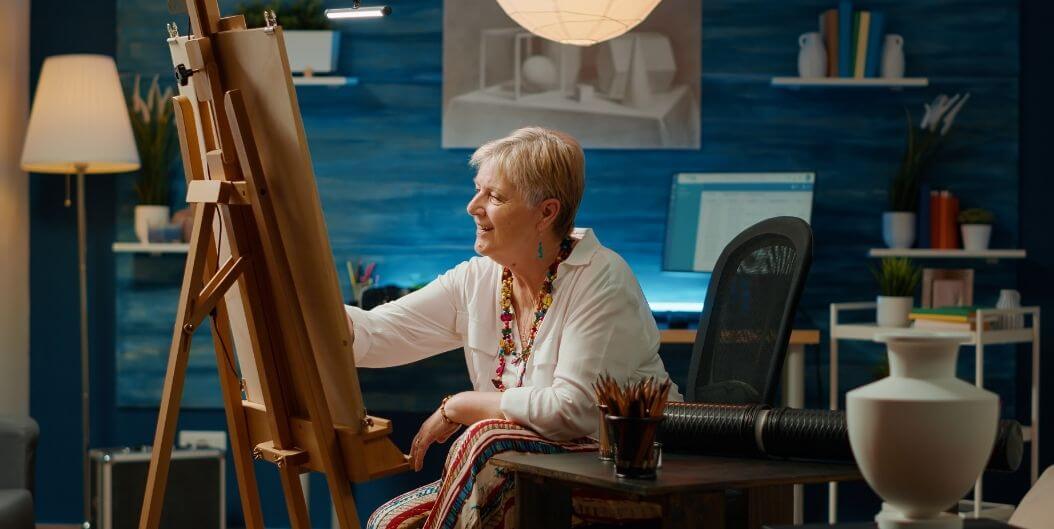
Art therapy is a structured form of therapy that uses creative activities, such as painting, drawing, sculpting, and collage-making to help people cope with and express their emotions. A memory care setting is designed specifically for residents with cognitive impairments, so the emphasis is always on the experience rather than the outcome. Here’s how it benefits people with declining memory.
The Sessions Are Guided, but Not Required
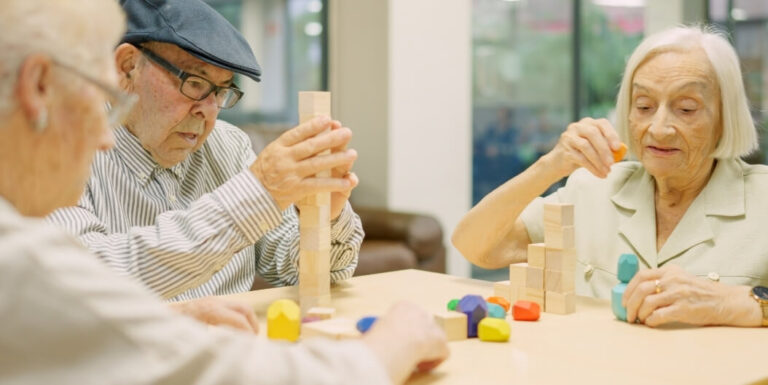
Every session is led by a trained facilitator who provides prompts, materials, and gentle encouragement. For example, you could ask your loved one to paint how a piece of music makes them feel, arrange coloured paper in a pattern they like, or simply move a brush across a canvas as they please. There are no correct or incorrect answers, and no one is judging or grading anyone.
The Materials Are Selected for a Reason
The staff choose bright colours, soft textures, and tools that children are familiar with, such as crayons and watercolours, because they are simple to use and are naturally appealing. Touching paint, feeling clay between your fingers, or pressing shapes onto paper activates brain regions that remain active even as memory fades.
Every Session Meets Residents Wherever They Are
It’s acceptable that not every resident participates in the same way. Some people jump right in, while others prefer to watch, touch the materials, or create a single brushstroke. A good dementia care community understands that all types of participation are important and tailors the experience to each resident’s level of comfort.
How Does Art Therapy Make Your Loved One Feel Better?
Art therapy has numerous emotional benefits that extend beyond simply keeping your loved one busy. It targets areas of the heart and mind that dementia has yet to reach.
It Gives Them a Voice When They Are Unable to Speak
When people are unable to express their feelings verbally, a painting or drawing serves as their voice. A burst of red may indicate that your loved one is angry. A soft wash of blue may indicate that they are calm. Carers and therapists learn to read these visual cues, which allows them to understand what your loved one is going through on the inside and respond with greater empathy and precision.
It Reduces Anxiety and Agitation
Making art repeatedly relaxes the nervous system. People who attend art therapy sessions on a regular basis tend to have less anxiety, fewer outbursts of anger, and a more relaxed overall demeanor. That sense of calm frequently lasts through meals, social gatherings, and important moments spent with other residents.
It Brings Happiness
When someone creates something they’re proud of, their eyes light up in a unique way. Even if your loved one cannot explain why they are smiling, the smile itself conveys everything. These brief moments of joy are extremely important because they remind families that their loved one is still present, even if they are experiencing a decline in their cognitive functions.
Looking for Memory Care to Help Your Loved One With Their Emotional and Physical Health? Check Out Bristol Park at Eagle Mountain
Bristol Park at Eagle Mountain Assisted Living and Memory Care believes that everyone who lives here should have the opportunity to express themselves, connect with others, and have fun every day. Our Fort Worth, Texas memory care community offers programs that are thoughtfully designed to honour your loved one’s true identity. Schedule a tour today to learn how we can help families feel better and have hope.